
The Difference Between an Entertainment Booking Agency and a Talent Agency
If you have ever tried to book an artist for an event, you have probably encountered both of these terms: entertainment agency and talent agency. They sound similar. They operate in the same industry. But they represent opposite sides of the transaction—and understanding which one works for you can save you significant time, money, and risk.

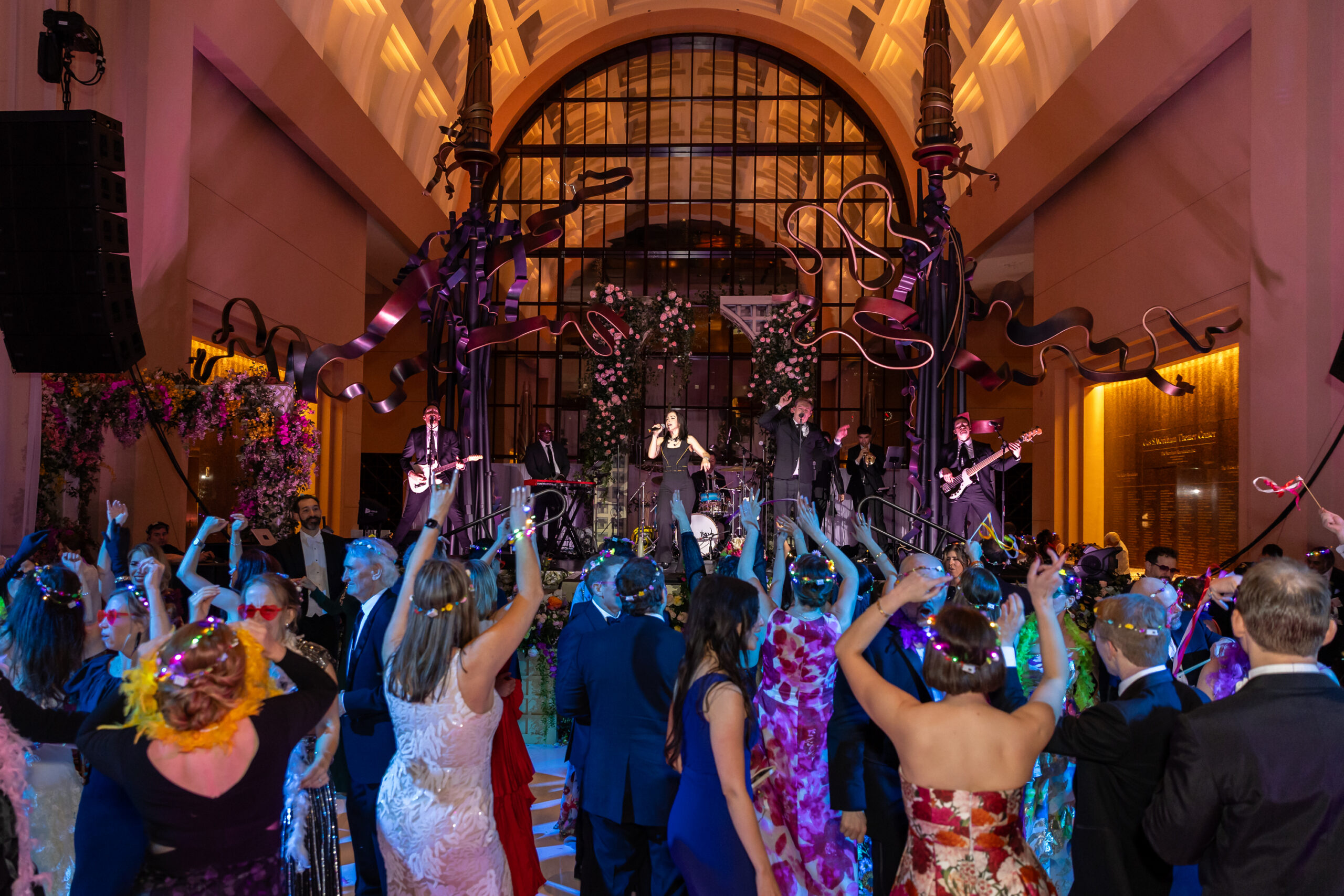
Corporate Event in Dallas, TX, Photo by Marco Wang.
What Is a Talent Agency?
A talent agency represents the artist. Major talent agencies include CAA (Creative Artists Agency), WME (William Morris Endeavor), The Team, and UTA (United Talent Agency). These firms sign artists to their roster and work to secure bookings, maximize the artist’s fees, and advance the artist’s career.
When you contact a talent agency to inquire about booking an artist, you are talking to the artist’s representative. Their fiduciary duty is to the artist, not to you. They are incentivized to:
Get the highest possible guarantee (fee) for the artist. Protect the artist’s brand, likeness, and creative control. Negotiate contract terms that favor the artist. Secure the best possible hospitality, travel, and production arrangements for the artist.
None of this is adversarial—it is simply the nature of representation. A talent agency is doing its job when it advocates for its client. But it means that as a buyer, no one at that table is advocating for you.

Wedding Reception, Photo by Kelly Hornberger.
What Is an Entertainment Booking Agency?
An entertainment booking agency can work on either side of the transaction, but the critical question is: who does the agency represent in your deal?
An entertainment booking agency that represents the buyer is a fundamentally different partner than a talent agency. This type of agency—sometimes called a buyer-side agency—works on behalf of the person or organization purchasing entertainment. Their interests are aligned with yours.
A buyer-side entertainment booking agency:
Represents you, not the artist. The agency’s job is to find the right entertainment for your event at a fair price, negotiate terms that protect you, and ensure flawless execution.
Presents multiple options. Instead of pitching a single artist from their roster, a buyer-side agency researches and presents several artists at different price points so you can make an informed choice.
Reviews contracts for your benefit. When the artist’s agency sends the contract, your booking agency reviews it for deal points, flags non-market terms, and provides suggested edits for your legal counsel.
Coordinates production and logistics. From sound and staging to hospitality and day-of stage management, the agency coordinates the details that make the event run seamlessly.
Has no roster loyalty. A buyer-side agency can book any artist available on the market—not just the ones they represent. This means you get the best fit for your event, not the best fit for the agency’s roster.
Why the Distinction Matters
The difference between these two models has real financial and operational consequences for the buyer.
Contract leverage. When you negotiate directly with a talent agency, you are negotiating without representation. A buyer-side booking agency knows what is market in entertainment contracts and can ensure you are not agreeing to non-standard terms.
Rider and production costs. Headliner pricing does not include rider requirements like sound, lights, staging, backline, catering, hotel, flights, or ground transportation. These costs can add tens of thousands of dollars to the total. A buyer-side agency advises on ways to control these expenses.
Risk mitigation. Entertainment deals—especially headliner bookings—involve binding offers, significant deposits, and complex logistics. Having an experienced agency managing the process reduces the risk of costly mistakes.
Efficiency. For corporate buyers and event planners managing dozens of moving parts, a booking agency takes the entire entertainment workstream off your plate. One of our clients recently described working with us as “just so efficient.”

Private party, Photo by Sarah Austin
A Common Misconception: “Booking Direct Saves Money”
Some buyers assume that going directly to the talent agency eliminates a middleman and saves money. In practice, the opposite is often true.
Without a buyer-side agency, you may overpay on the guarantee because you do not know the market rate. You may accept contract terms that expose your organization to unnecessary risk. You will coordinate production, hospitality, and logistics yourself—or pay multiple vendors to do it piecemeal. And if something goes wrong on the day of the event, you are on your own.
A buyer-side booking agency’s fee is typically a fraction of what they save you in negotiation leverage, production coordination, and risk avoidance.

The Gulf Coast Entertainment team during a weekly meeting. Photographed by Sarah Austin.
How to Tell Which Type of Agency You Are Working With
Ask one question: “Who do you represent in this transaction?”
If the answer is the artist, you are working with a talent agency. They will present their own roster, and their job is to sell you their artists at the highest possible price.
If the answer is you, the buyer, you are working with a buyer-side entertainment booking agency. They will research the full market, present multiple options, negotiate on your behalf, and manage the process from offer to load-out.
At Gulf Coast Entertainment, we have represented the buyer for over 45 years. We are not a talent agency. We do not represent artists. We represent you—and that distinction shapes every recommendation we make, every contract we review, and every event we produce.
Have a question about booking entertainment for your next event? Contact Gulf Coast Entertainment at gulfcoastentertainment.com. We represent you, not the artist.
Corporate events, galas, fundraisers, conferences, weddings, private parties, holiday celebrations, product launches, and incentive trips. Any event where entertainment is a significant investment benefits from having someone in your corner managing the process from start to finish.
Ask directly: “Who do you represent in this transaction?” A talent agency represents the artist and will present artists from their roster. A buyer-side entertainment booking agency represents you and will research the full market to find the best fit for your event, budget, and goals.
The talent agency represents the artist in the deal. They issue the contract, negotiate on the artist’s behalf, and manage the artist’s business terms. When you hire a buyer-side booking agency, your agency interfaces with the talent agency so you have experienced representation on your side of the negotiation.
A buyer-side entertainment booking agency is not limited to a roster. They can book any artist available on the market by working with the artist’s talent agency directly. This means you get recommendations based on what is right for your event—not what is available on a specific roster.
In most cases, no. A buyer-side booking agency’s fee is typically offset by better pricing through market knowledge, stronger contract terms that protect you, and production coordination that prevents costly surprises. Going direct often means paying the first price quoted without knowing what is market.
A talent agency represents artists and works to maximize their income and bookings. An entertainment booking agency that represents the buyer works on behalf of the person or organization purchasing entertainment—finding the right artists, negotiating fair terms, reviewing contracts, and coordinating production. They serve opposite sides of the same transaction.